



Teeth Whitening In Alachua, FL
How Teeth Whitening Works
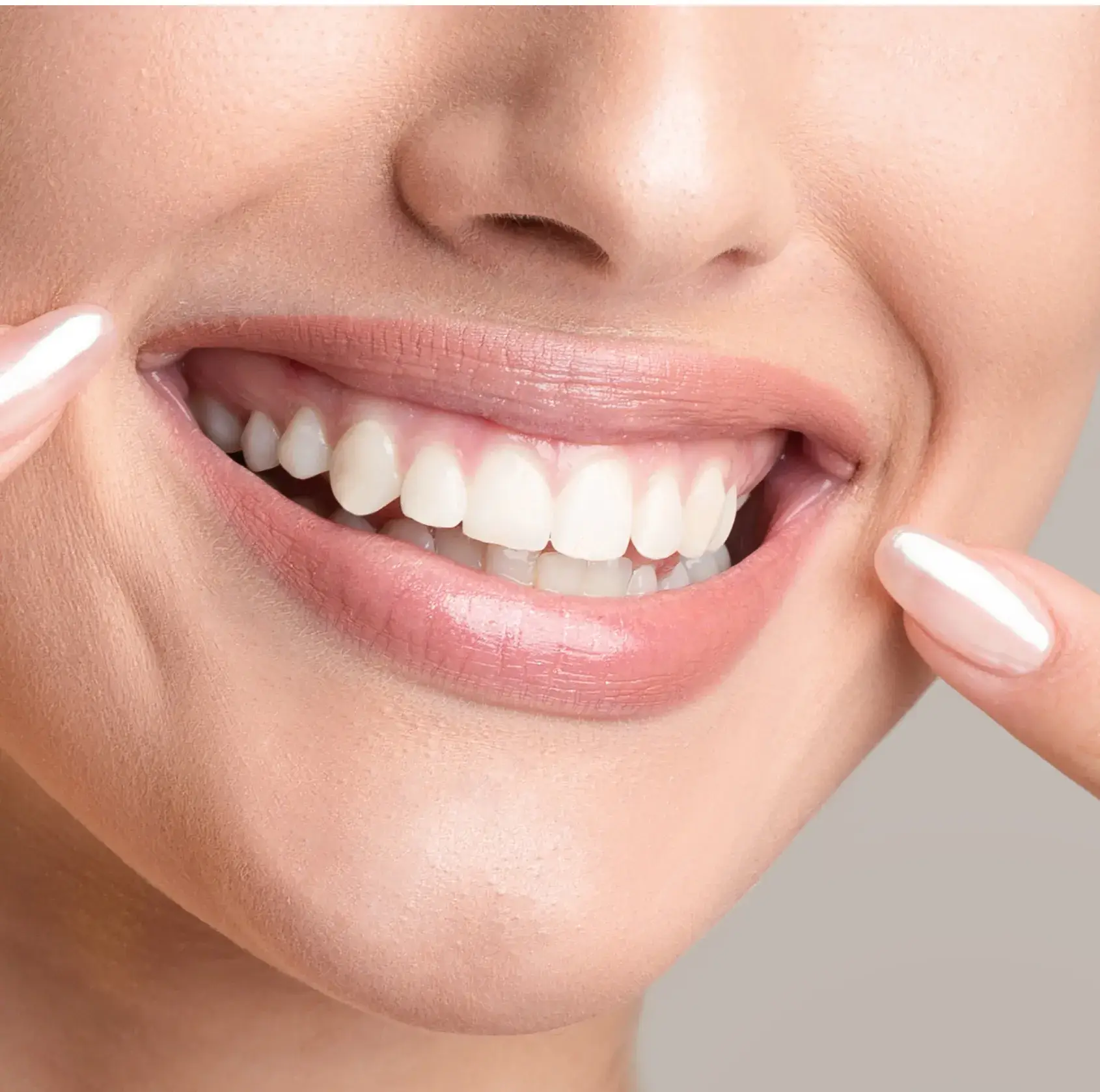
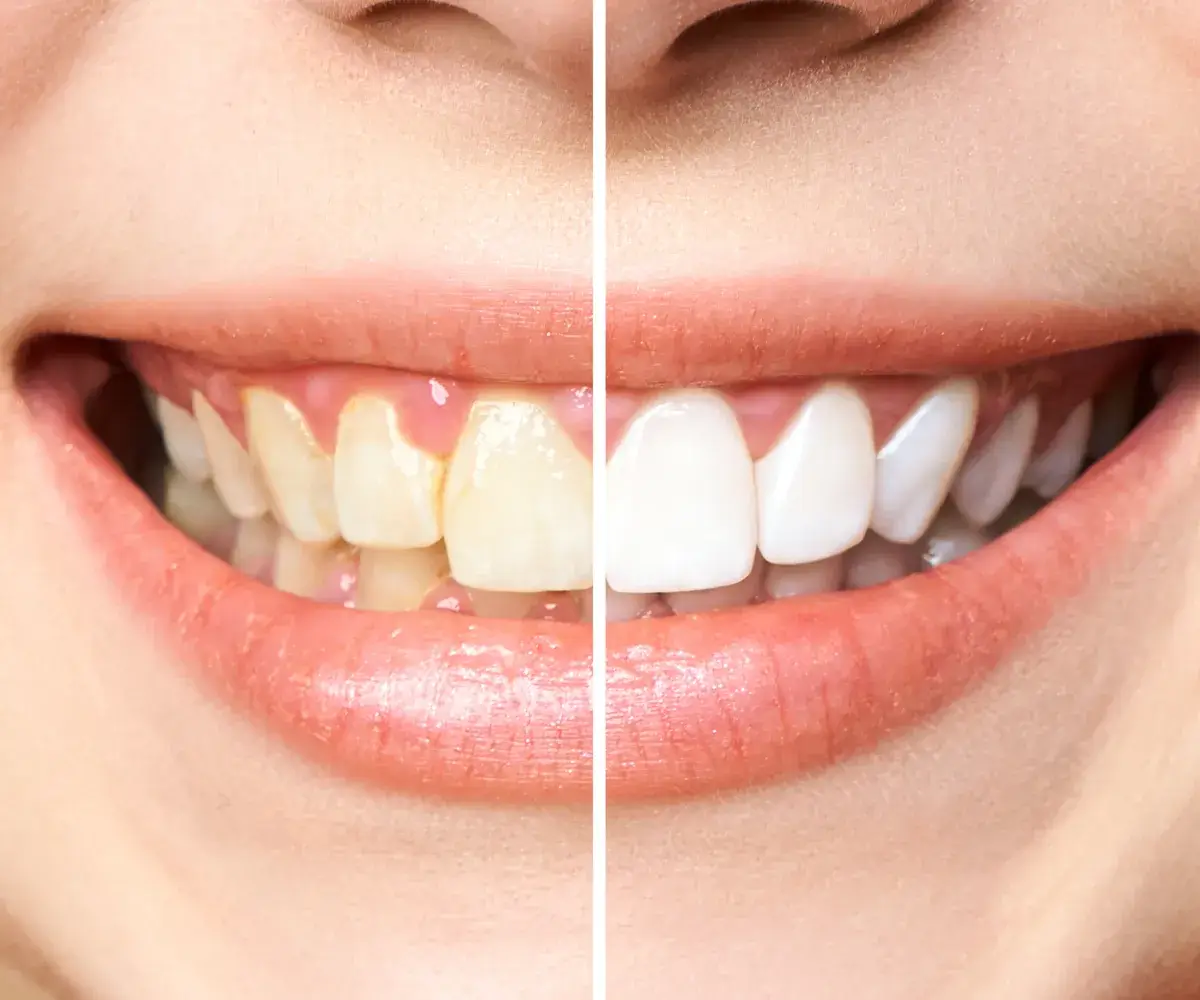
Whitening uses oxygenating agents to break up stain molecules in the outer tooth structure. The benefit is a more even shade across your natural teeth, which can make your smile look healthier and more refreshed.
Before you start, we check for issues that can affect comfort or results – like cavities, gum inflammation, or exposed root surfaces – so whitening doesn’t create unnecessary sensitivity.
Faster Results with a Clear Plan
Whitening works best when you follow a method that matches your stain type and your timeline. We help you avoid trial-and-error so you spend less time chasing results that don’t show up.
More Comfort for Sensitive Teeth
Many people stop whitening because it hurts. We guide you toward options and pacing that reduce sensitivity and irritation, so you can actually finish treatment.


More Even Shade Across Your Smile
Over-the-counter products can brighten unevenly when trays don’t fit well or gel placement varies. A guided approach improves consistency, so you’re not left with “bright spots” or teeth that don’t match.
We Take Your Insurance
We accept Delta Dental, Humana, Aetna, Cigna, and BlueCross BlueShield. Wondering if your plan covers your visit? Our team can help you understand your benefits.

Understanding Teeth Stains
Knowing the cause of discoloration helps set realistic expectations and prevents wasted effort.
Common stain sources include:
- Coffee, tea, soda, and red wine
- Tobacco
- Natural aging and enamel thinning
- Old dental work that does not change color
- Tooth trauma or deeper internal discoloration
If a tooth is dark from internal staining, whitening may brighten it less than surrounding teeth. In that case, we’ll explain options that can better match your smile.
In-Office Whitening Vs. Store-Bought Options
Store-bought whitening can help mild staining, but it often comes with tradeoffs: inconsistent fit, uneven contact, and more sensitivity from overuse.
Professional whitening support is often better when you want:
- A greater change in shade
- A plan that accounts for sensitivity
- More predictable results for visible front teeth
- Guidance when you have crowns or fillings in your smile zone
We’ll recommend the simplest option that can realistically achieve your goal.

Meet Our Smile Experts
Decades of Clinical Experience
Modern Dental Technology

Our Dental Associations


What to Expect During Your Smile Whitening Treatment
Consultation And Health Check
We confirm whitening is safe for you, review your goals, and check for anything that could interfere with comfort or results.
Shade Assessment and Option Review
We look at your current shade, stain pattern, and sensitivity history, then recommend the best path for your smile.
In-Office Whitening Treatment or Take-Home Option
If whitening is performed in-office, we guide you through the visit with comfort steps built in. If you’re whitening at home, we give clear instructions so you get consistent results without overusing the product.
Aftercare and Maintenance Guidance
We outline what helps results last longer, including short-term stain avoidance and long-term habits that keep teeth brighter between cleanings.
Bespoke Dentistry That Fits Your Life

Experience You Can Trust
Our dentists bring years of real-world experience to every appointment, helping patients make informed, confident decisions about their care.
Insurance Accepted
We accept most major insurance plans and explain options clearly, so you always know what to expect before treatment begins.


Full-Service Dentistry
Preventative, restorative, implants, dentures, clear aligners, oral surgery, and more, all in one place.
No Judgment Ever
No lectures. No shame. Just a supportive team focused on helping you move forward.

Frequently Asked Questions
What if whitening does not give me the change I want?
If discoloration is deep or you want a bigger cosmetic change, options like veneers may be a better fit. We’ll explain the pros and cons so you can decide confidently.
Can teens get teeth whitening?
It depends on age, tooth development, and oral health. We’ll review options based on the individual.
Will whitening cause sensitivity?
It can, especially if you already have sensitive teeth. We can recommend a more comfortable approach and pacing to reduce discomfort.
What should I avoid right after whitening?
Certain foods and drinks can re-stain teeth more easily right after treatment. We’ll give clear guidance based on your whitening method.
Why is one tooth darker than the others?
A single dark tooth can be caused by deeper internal staining or past trauma. Whitening may have limits in these cases, and we can discuss other options if needed.
Can I whiten if my gums bleed or feel irritated?
It’s usually better to address gum inflammation first. We’ll evaluate gum health and recommend the safest next step.
Is professional whitening safe?
When whitening is used correctly and teeth are healthy, it’s generally safe. The key is avoiding overuse and choosing the right method for your needs.
How long do whitening results last?
Longevity depends on habits like coffee, tea, wine, and tobacco. We’ll share simple maintenance tips that help results last longer.
Does whitening work on crowns or fillings?
Whitening changes natural enamel, but restorations typically do not change color. We’ll talk through how to keep your smile looking consistent if you have visible dental work.
How white can my teeth get?
Results depend on your starting shade and the type of stains present. We’ll help set expectations based on what we see before you begin.